Global Ceasefire Efforts Begin Between US and Iran
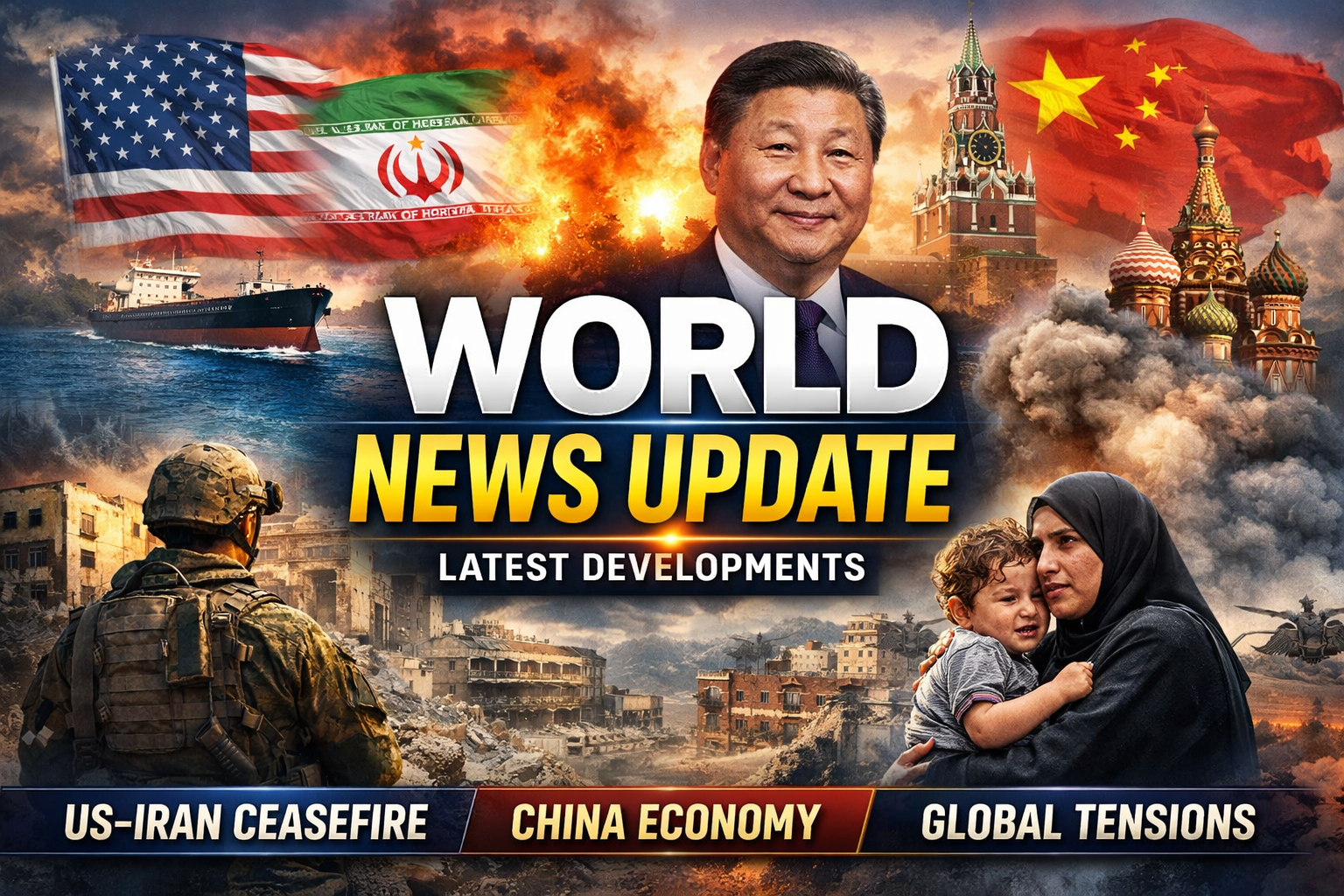
In a significant diplomatic development, the United States and Iran have agreed to a temporary two-week ceasefire amid the ongoing conflict in the Middle East. The truce is expected to ease tensions and open the door for negotiations aimed at ending the war that has destabilized the region since February 2026.
The ceasefire is linked to reopening the Strait of Hormuz, one of the world’s most important oil shipping routes. The waterway handles nearly one-fifth of global oil trade, making it crucial for global energy security.
Diplomatic discussions between the two countries are scheduled to begin in Islamabad, Pakistan, as part of a broader international effort to achieve a long-term peace agreement.
World leaders have welcomed the ceasefire but stress that it must lead to a permanent solution and stability in the Middle East.
Strait of Hormuz Crisis Impacts Global Energy Markets
The closure and tensions surrounding the Strait of Hormuz have triggered major disruptions in the global energy market. The conflict has caused fluctuations in oil prices, supply shortages and concerns about inflation in many countries.
However, recent ceasefire announcements have led to a decline in oil prices and a positive reaction in global stock markets, as investors expect the reopening of vital shipping routes.
Energy analysts say the stability of this maritime route will remain a key factor in determining global fuel prices and economic recovery in the coming months.
China’s Economic Policy Signals Stability
Amid global uncertainty, major international banks now believe that China will keep its policy interest rates steady in 2026 instead of introducing further rate cuts.
Economic data from China has shown resilience despite geopolitical tensions and supply chain disruptions. Financial institutions such as Goldman Sachs and Standard Chartered have revised their forecasts accordingly, suggesting China’s economic outlook may remain stable even during global turbulence.
This development is significant because China is the world’s second-largest economy, and its monetary policy decisions often influence international markets.
Global Diplomatic Efforts Intensify in Middle East
Following the ceasefire announcement, several international leaders have launched diplomatic missions to the Middle East to support peace negotiations. The United Kingdom has sent high-level representatives to the Gulf region to help maintain the truce and encourage dialogue between the involved parties.
Global diplomats emphasize that continued negotiations and cooperation between major powers will be essential to prevent further escalation of the conflict and stabilize the region.
Rising Geopolitical Tensions Across the World
Despite progress toward peace in the Middle East, other geopolitical tensions continue to shape global politics.
- US–China trade tensions remain a concern after new tariffs increased economic friction between the two powers.
- Russia-Ukraine conflict continues with attacks on infrastructure and ongoing military operations.
- Humanitarian concerns in Gaza are increasing as ceasefire negotiations struggle to move forward.
Experts warn that these overlapping crises could have long-term impacts on global security, trade, and humanitarian conditions.
Conclusion
The latest international developments highlight a world facing both risks and opportunities for peace. The US-Iran ceasefire and diplomatic initiatives offer hope for stability in the Middle East, while economic signals from major countries like China indicate resilience amid uncertainty.
However, continuing geopolitical conflicts and economic tensions remind the world that global cooperation and diplomacy remain crucial for maintaining international stability.