
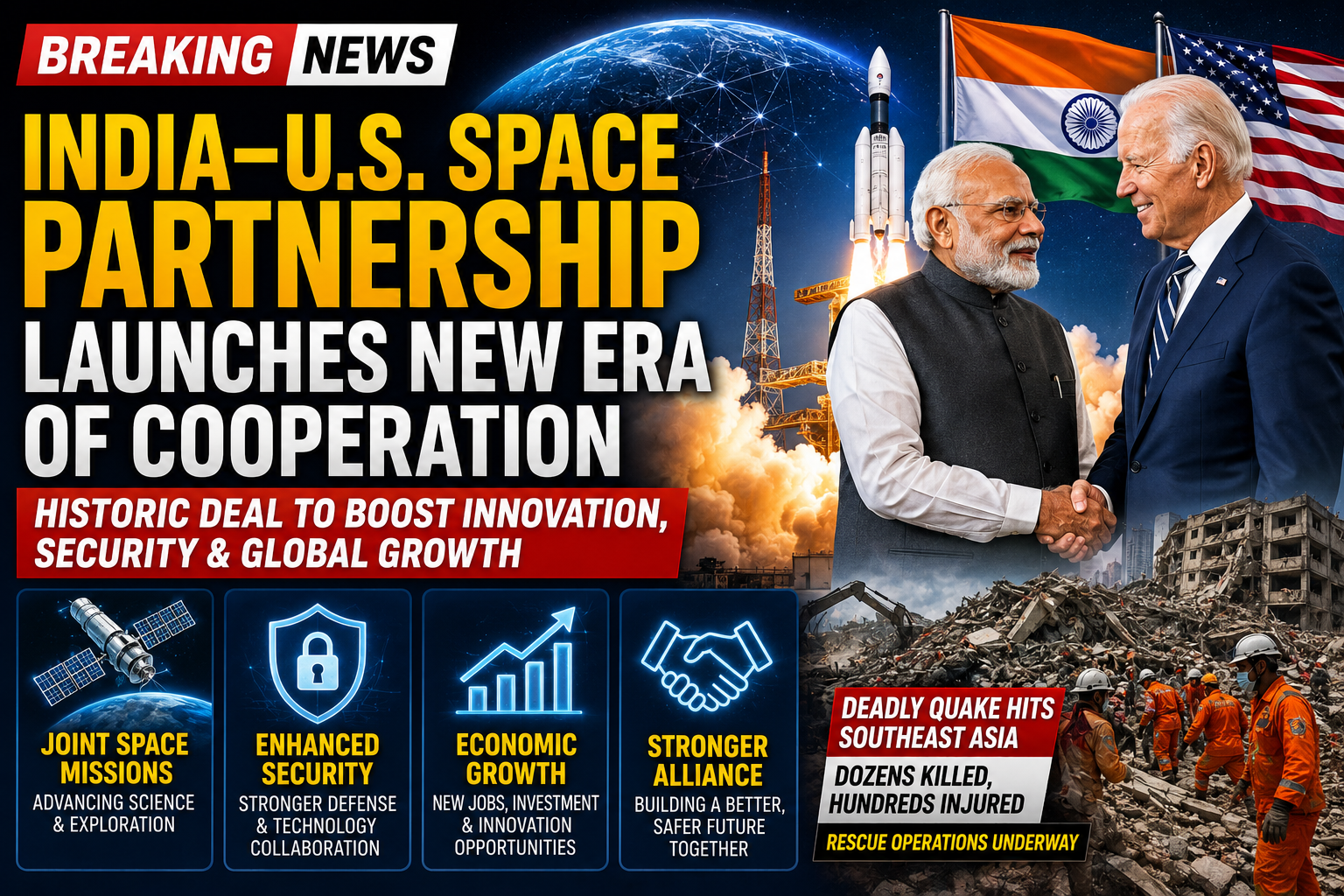
Countries Accelerate Lunar Exploration Programs
The global space race is entering a new phase as major countries including the United States, China, India, and Russia accelerate plans for lunar exploration and future Moon missions.
Space agencies around the world are investing billions into advanced spacecraft, lunar landers, and long-term Moon base projects aimed at expanding scientific research and preparing for future human exploration.
Experts believe the new space race could redefine technological leadership and international cooperation in the coming decade.
NASA Expands Artemis Moon Program
The United States continues to move forward with NASA’s Artemis program, which aims to return astronauts to the Moon and eventually establish a sustainable human presence.
NASA officials say future missions will focus on:
- Lunar surface research
- Water and ice exploration
- Advanced space technologies
- Preparation for future Mars missions
American aerospace companies are also playing a major role in developing reusable spacecraft and next-generation lunar systems.
China Pushes Forward With Lunar Ambitions
China has significantly expanded its space program in recent years and is developing ambitious plans for a future lunar research station.
Chinese scientists are focusing on robotic exploration, Moon resource studies, and advanced satellite systems. Analysts say China’s rapid progress is increasing global competition in space technology.
The country has also strengthened partnerships with several international space organizations to support long-term exploration goals.
India Gains Global Recognition in Space Sector
India’s growing success in space exploration has attracted worldwide attention after recent achievements in lunar and satellite missions.
The Indian Space Research Organisation (ISRO) continues developing affordable and efficient space technologies, helping India emerge as a major player in the global space industry.
Experts say India’s cost-effective missions and expanding commercial space sector are boosting international confidence in its technological capabilities.
Private Companies Transform Space Industry
Private space companies are increasingly shaping the future of exploration.
Commercial firms are investing heavily in:
- Reusable rockets
- Space tourism
- Satellite internet systems
- Lunar transportation
- Deep-space technologies
The rise of private investment has accelerated innovation and reduced the cost of launching missions into space.
Global Importance of the New Space Race
Analysts believe the modern space race is no longer just about prestige. It now includes:
- Technological leadership
- National security
- Scientific advancement
- Economic opportunities
- Access to rare space resources
International cooperation and regulation are expected to play a major role as more countries and companies expand their activities beyond Earth.
Conclusion
The growing global competition in space exploration marks the beginning of a new technological era. As nations invest in Moon missions and future deep-space exploration, the next decade could bring major scientific discoveries and reshape humanity’s future in space.
With governments and private companies racing toward new milestones, the world is entering an exciting chapter in international space exploration.