Global Attention on the Middle East Crisis
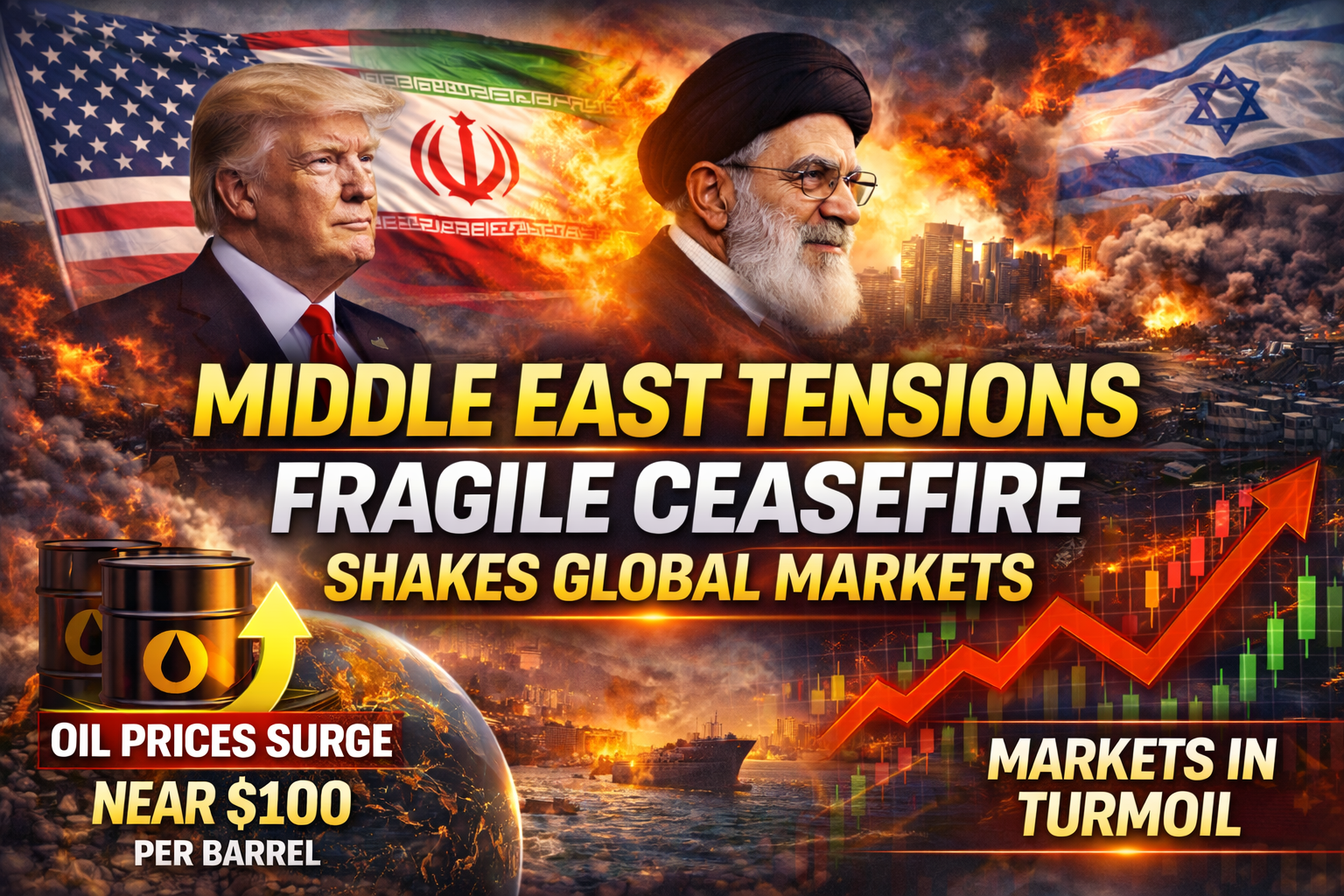
The international community is closely watching the Middle East after a temporary ceasefire between the United States and Iran was announced following weeks of escalating military tensions. The agreement, reportedly brokered through diplomatic efforts, is expected to last two weeks while negotiations continue.
The ceasefire helped prevent a further escalation that could have expanded into a larger regional war. However, analysts warn that the situation remains extremely fragile and could quickly deteriorate if negotiations fail.
Israel–Lebanon Conflict Continues Despite Ceasefire
While the U.S.–Iran ceasefire brought some relief, violence in the region has not completely stopped. Israeli military operations in Lebanon reportedly continued, resulting in significant casualties and infrastructure damage. Reports indicate that more than 200 people were killed in recent strikes, drawing strong international criticism and humanitarian concerns.
International organizations and humanitarian groups have urged all parties to respect international law and protect civilians in conflict zones.
Oil Prices Surge as Strait of Hormuz Faces Disruptions
The conflict has also had a major impact on the global economy. Concerns about shipping disruptions in the Strait of Hormuz, one of the world’s most important oil transit routes, caused oil prices to rise sharply.
Energy analysts say uncertainty over access to the strait has pushed Brent crude prices close to $100 per barrel, creating volatility in global markets.
Because a large portion of the world’s oil passes through this narrow waterway, any disruption can quickly affect fuel prices, transportation costs, and global inflation.
IMF Warns of Global Economic Impact
The International Monetary Fund (IMF) has warned that the Middle East conflict could have serious global economic consequences, including supply chain disruptions and rising food and energy prices.
IMF officials say the war is affecting industries beyond oil, including food supply chains, technology production, and transportation networks. Governments around the world may need financial support if the crisis continues.
What Happens Next?
Diplomatic talks are expected to continue in the coming days as global leaders attempt to stabilize the region. Analysts say the next two weeks will be crucial in determining whether the ceasefire turns into a long-term peace agreement or if the conflict escalates again.
For now, governments and investors around the world remain cautious as the Middle East crisis continues to shape global politics and economic stability.