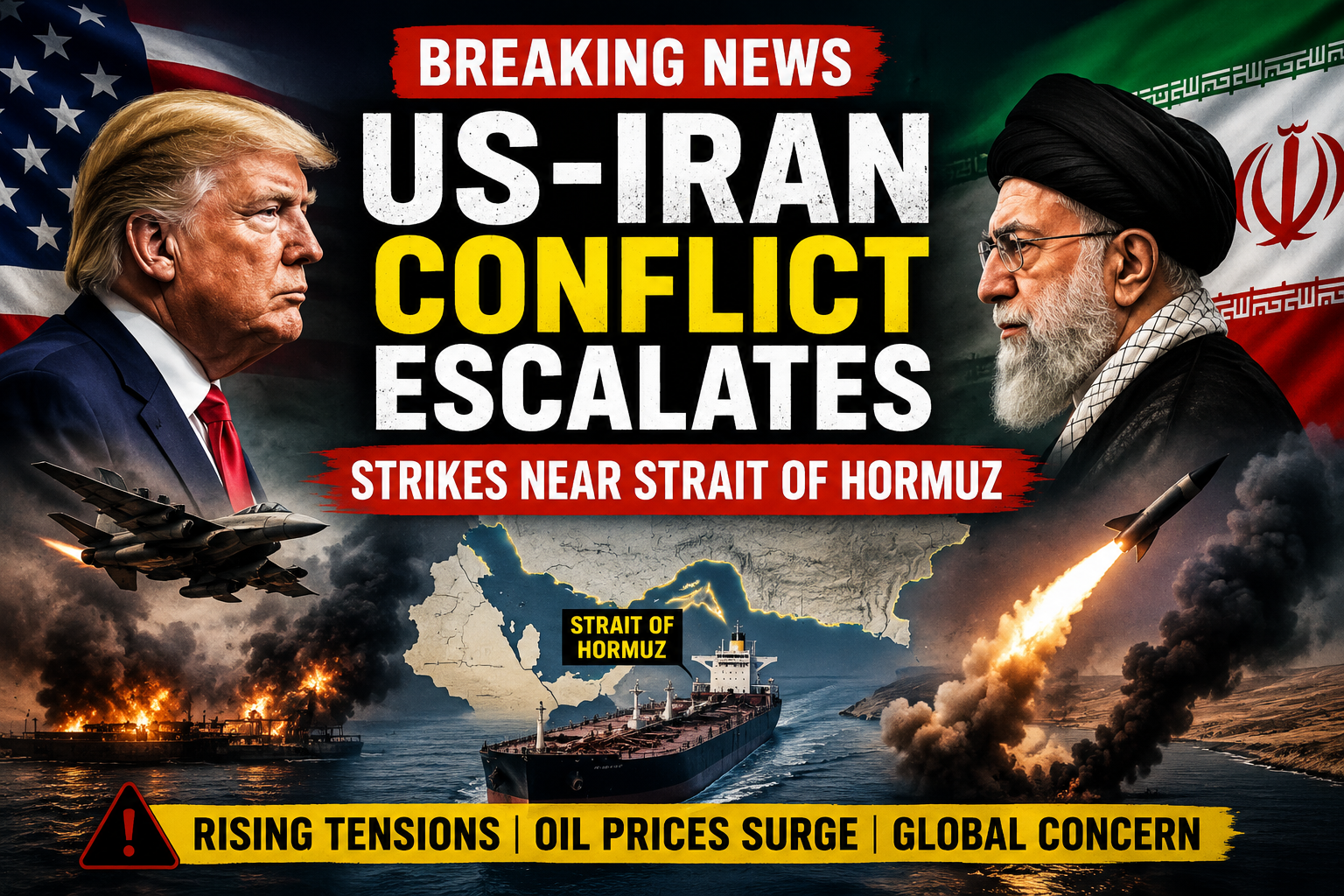
Global tensions intensified this week after fresh military exchanges between the United States and Iran near the strategically important Strait of Hormuz, raising concerns about regional stability, global oil supply, and international security.
According to international reports, both countries accused each other of violating ceasefire understandings as clashes erupted in and around the crucial maritime route. The Strait of Hormuz remains one of the world’s most important oil shipping channels, making the situation highly sensitive for the global economy.
Ceasefire Talks Continue Amid Rising Conflict
Despite the escalation, diplomatic negotiations are still ongoing. US officials stated that talks with Iran regarding a temporary ceasefire and reopening of maritime routes are continuing, although tensions remain extremely fragile. Iran, meanwhile, has reportedly been reviewing proposals related to a possible peace agreement.
Reports suggest that military activity in the region has increased significantly over the past few days. International observers fear that further escalation could impact global trade routes, shipping operations, and fuel prices worldwide.
Oil Prices and Shipping Concerns Grow
The growing instability near the Strait of Hormuz has already affected international markets. Analysts warn that any disruption in the region could create major challenges for oil transportation and global commerce.
Several countries and international organizations have urged both nations to prioritize dialogue and avoid actions that could worsen the crisis. Diplomatic efforts by global powers are currently underway to reduce tensions and stabilize the situation.
International Community Calls for Restraint
World leaders and humanitarian organizations have expressed concern over the possibility of a broader regional conflict. The United Nations and multiple international agencies have appealed for restraint, emphasizing the importance of diplomacy and peaceful negotiations.
Experts believe that the coming days will be crucial in determining whether the region moves toward stability or further confrontation.