Rising Uncertainty Across Global Economy
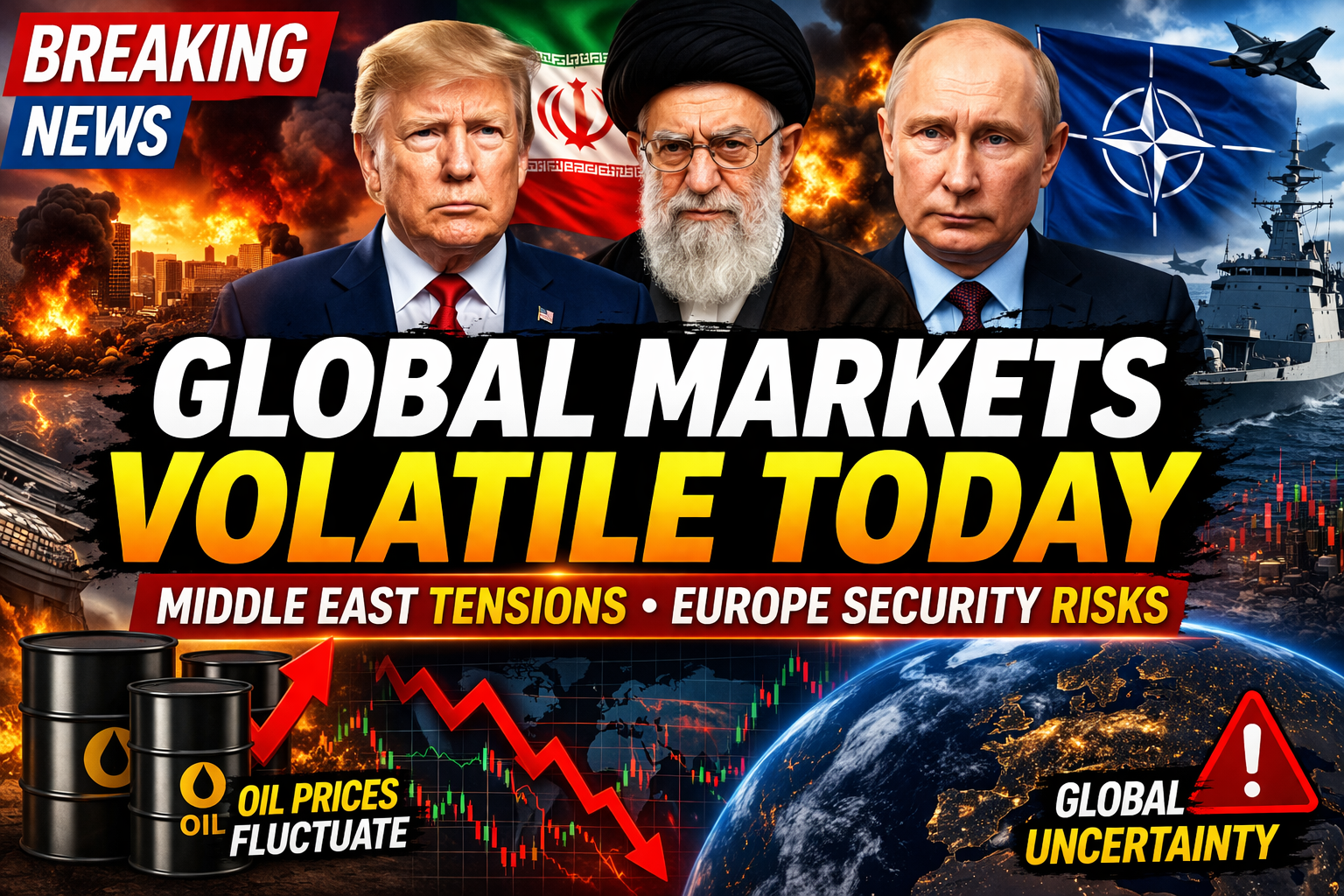
Global markets are witnessing continued volatility as geopolitical tensions in the Middle East and Europe create uncertainty for investors and governments worldwide. While a temporary ceasefire between the United States and Iran brought short-term relief, analysts warn that the situation remains fragile and unpredictable.
Stock markets across Asia, Europe, and the United States showed mixed trends today, reflecting cautious investor sentiment amid ongoing global risks.
Middle East Situation Remains Fragile
The temporary ceasefire between the United States and Iran continues to hold, but tensions have not fully eased. Military activity in nearby regions and ongoing conflicts involving Israel and Lebanon are keeping the situation unstable.
Experts believe that any breakdown in the ceasefire could once again disrupt global oil supply and trigger economic shocks.
The Strait of Hormuz, a key global oil route, remains under close monitoring due to its strategic importance in international energy trade.
Oil Prices Fluctuate Amid Supply Concerns
Oil markets remain highly sensitive to geopolitical developments. Prices have shown fluctuations in recent trading sessions due to uncertainty over supply routes and production stability.
Energy experts say that even minor disruptions in the Middle East could push prices higher, impacting transportation, manufacturing, and inflation worldwide.
Countries heavily dependent on oil imports are particularly vulnerable to sudden price increases.
Europe Security Tensions Add to Global Pressure
In Europe, rising tensions between Russia and NATO countries are adding another layer of global concern. Increased naval and military activity in strategic regions has raised fears of potential confrontation.
Defense analysts warn that continued military build-up could lead to heightened security risks, especially in sensitive areas like the Baltic Sea.
European nations are strengthening their defense readiness while maintaining diplomatic efforts to avoid escalation.
Global Economic Outlook Remains Uncertain
International organizations and financial institutions have warned that prolonged geopolitical instability could slow down global economic growth.
Key concerns include:
- Rising energy prices
- Supply chain disruptions
- Inflationary pressures
- Reduced investor confidence
However, some economists believe that strong domestic demand in major economies may help cushion the impact.
Conclusion
Today’s international developments highlight a world facing economic uncertainty and geopolitical challenges. While diplomatic efforts continue in multiple regions, the coming weeks will be crucial in determining whether tensions ease or escalate further.
For now, global markets, governments, and citizens remain on alert as events continue to unfold across the world stage.